Manual swing gates and pedestrian gates in Colorbond, timber and aluminium slat for homes across Geelong and the Bellarine Peninsula.
Drysdale Fencing builds and installs manual swing gates and pedestrian gates across Geelong and the Bellarine Peninsula, in timber, Colorbond and aluminium slat, matched to your existing fence. Posts go into poured concrete footings and every gate is hung square. Free on-site quotes — 0485 577 980.
We build and install gates right across Geelong and the Bellarine — swing gates and pedestrian gates in Colorbond, timber and aluminium slat. Whatever we build gets matched to the fence you've already got.
A gate takes more punishment than a fence, so the posts go deeper than a standard fence post, the gate is hung dead square, and the drop bolts and latches are set to shut cleanly right through the year.
Request a QuoteA gate gets used every day, so the hardware and the posts matter more than they do on the fence beside it.
A solid gate keeps kids and pets in and keeps people you don't want off the property. A self-latching catch and a solid drop bolt hold it shut whether you're home or not.
A well-hung gate swings freely with one hand and latches without a slam. Hinges and latches are sized to the weight of the gate, so it doesn't drag on the ground or sag over a season.
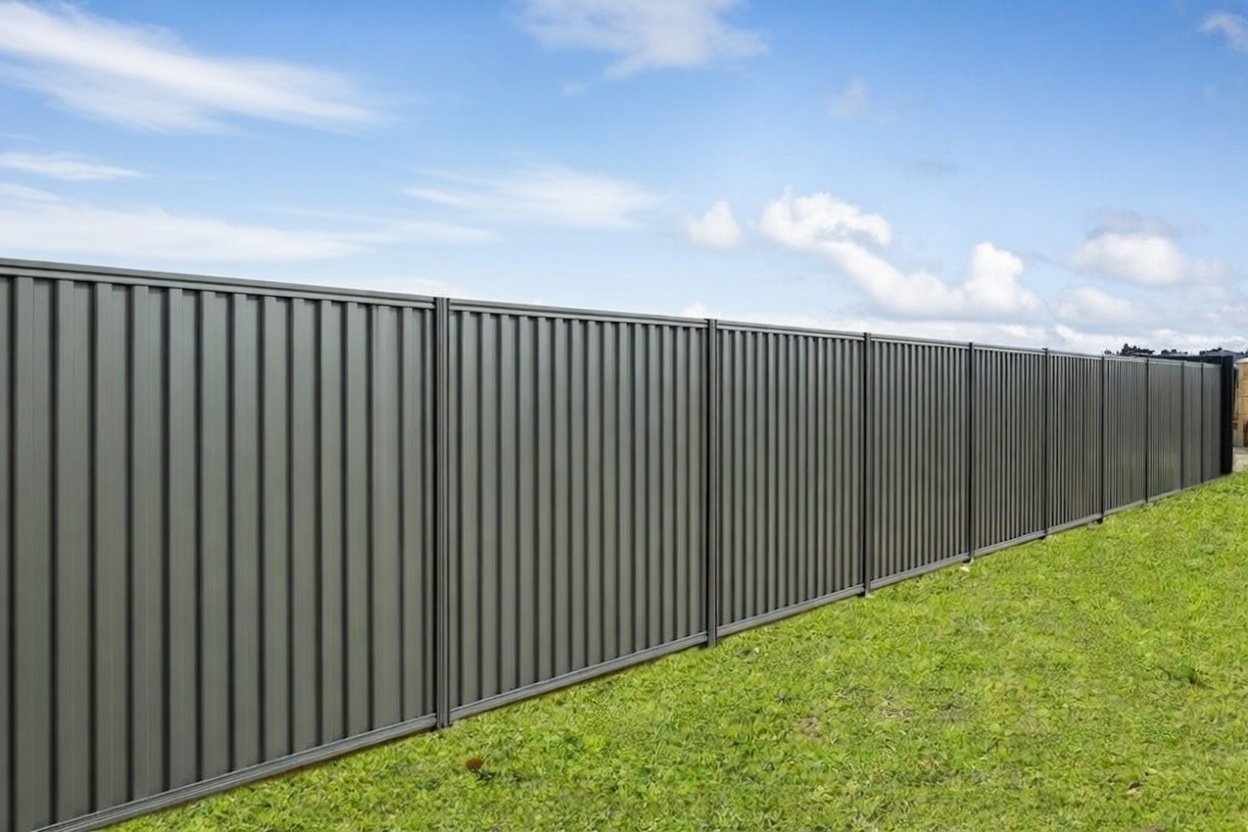
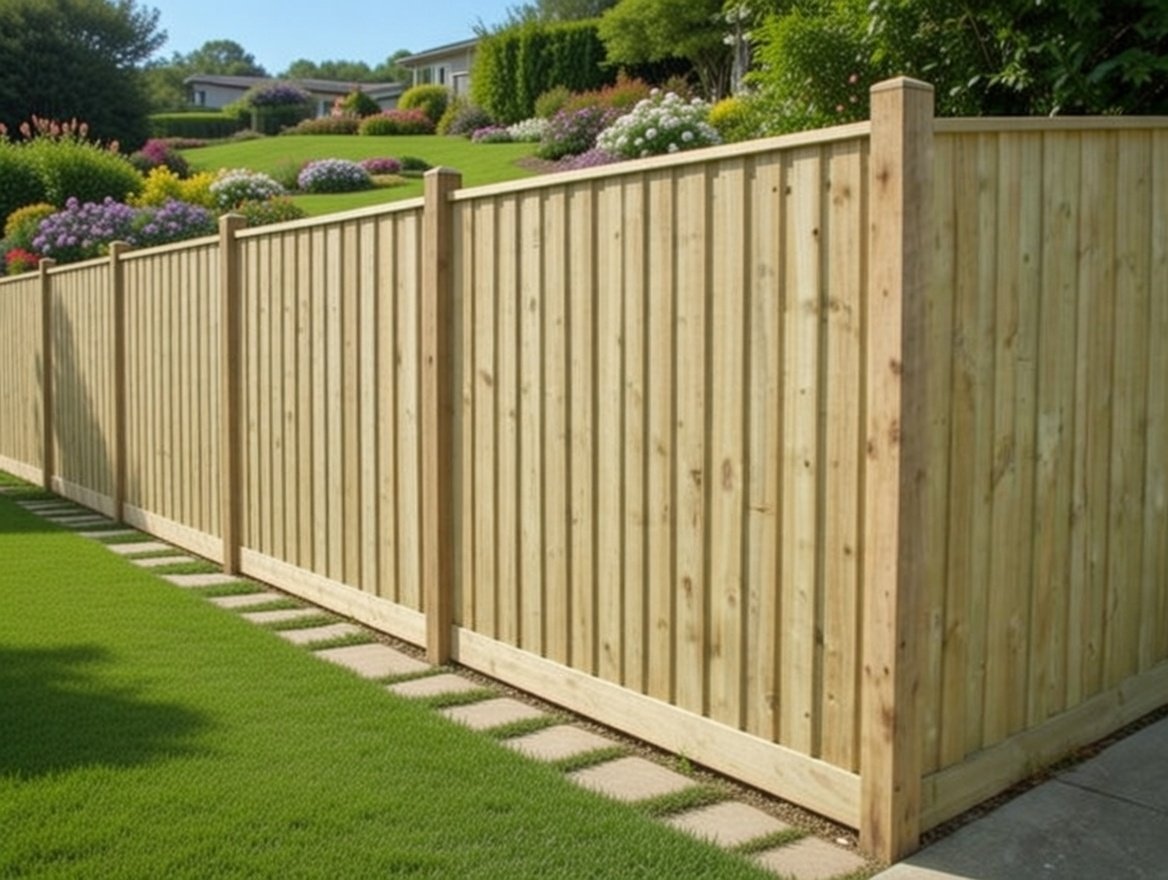
We build gates in Colorbond, timber and aluminium slat, and match the profile and colour to the fence you already have so the gate looks like it belongs, not bolted on.
Welded or heavily braced frames, marine-grade hinges and latches, and footings dug deeper than a standard fence post — a gate leans its whole weight on its hardware, so we build for that.
A narrower gate for the side of the house or a garden path, fitted with a self-latching catch and built from the same material as the fence so it reads as one line.
Every gate is hung square, swung through a full open-and-close a few times, and checked for a clean latch and clear ground before we leave.
Cost comes down to the gate type, the material and the hardware, so we measure the opening on site before we quote. You get a free on-site quote, not a flat rate. A pedestrian gate is a small job; a pair of double swing gates across a driveway is a bigger one.
What affects your gate cost:
From the first measure to a gate that swings and latches cleanly.
We measure the opening, check the slope of the ground, and confirm the gate will swing clear of the fence and the ground.
Gate, frame, footings, hardware and clean-up — itemised on one quote with a timeframe.
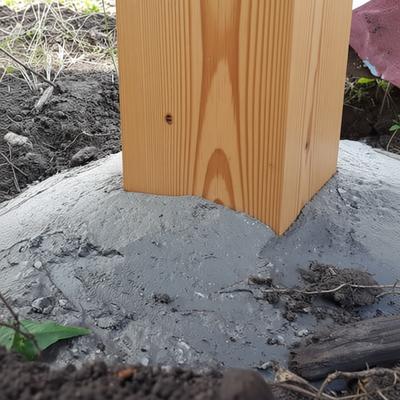
Posts go into wet-poured concrete, sized bigger than a fence post for the load a gate carries, then the gate's hung square.
We hang the gate, run it through a full open-and-close a few times, check the latch and drop bolt shut cleanly, and show you how it all works before we go.
Two gate types, three materials, and the hardware that holds them.
Which one suits your place comes down to how wide the opening is and how the ground sits. We work that out at the site visit.
We build Colorbond gates to match your boundary panels and colour, timber gates to match your palings, and aluminium slat gates when you want the entrance to stand out a bit. On any gate that spans a driveway we run a welded steel frame under the cladding — that's what holds the span so the gate doesn't twist or drop over time, and the cladding on top matches the rest of the fence.
Permits & council: a gate sits in your fence line, so keep it within the same limits as the fence around it. In the City of Greater Geelong a building permit is needed for a side or rear fence over 2 metres, a front fence over 1.5 metres within 3 metres of the street, a corner fence over 1 metre within 9 metres of an intersecting street, and a brick or masonry fence over 1.2 metres. A planning permit is a separate approval and can apply on its own, for example under a Heritage Overlay. The binding rules sit with the City of Greater Geelong, so confirm with them before you build.
A gate sits in your fence line, so keep it within the same limits as the fence around it. In the City of Greater Geelong a building permit is needed for a side or rear fence over 2 metres, a front fence over 1.5 metres within 3 metres of the street, a corner fence over 1 metre within 9 metres of an intersecting street, and a brick or masonry fence over 1.2 metres. A planning permit is a separate approval and can apply on its own, for example under a Heritage Overlay. We can flag likely considerations during the site visit, but the binding rules sit with the City of Greater Geelong, so confirm with them before you build.
We build swing gates and pedestrian gates. Swing gates hinge open like a door, as a single gate or a pair of double gates, and suit driveways with clear space for the gate to swing and ground that's reasonably level. Pedestrian gates are narrower side or path gates for people on foot. Both can be built in timber, Colorbond or aluminium slat.
Yes. We build gates in Colorbond, timber and aluminium slat, and match the profile and colour to the fence you already have so the gate looks like it belongs, not bolted on. On any gate that spans a driveway we run a welded steel frame under the cladding, which holds the span so the gate doesn't twist or drop over time.
Gate cost comes down to the gate type and span, the material, the posts and footings, and the hardware. A pedestrian gate is a small job, a pair of double gates across a driveway is a bigger one, and Colorbond, timber and aluminium slat each carry a different material cost. We measure the opening on site and give you a free on-site quote rather than a flat rate.
Gate posts go into wet-poured concrete, sized bigger than a standard fence post for the load a gate carries. The footings need 24 to 48 hours to cure before the gate is hung and loaded, so the gate goes on after the cure rather than the same day. We give you a realistic timeframe at the quoting stage.
Related guides: read our guide on how to choose a fence builder in Geelong.
Related services: Gates pair with our privacy fencing and residential fencing.